Best Freelance Skills to Learn in Kenya (And How to Actually Learn Them)

Picking the wrong skill is the most common reason freelancing attempts stall before they start — either because a skill has too much competition and no clear specialty, or because it takes months to learn and doesn’t match what clients are actually paying for right now.
This guide covers which skills genuinely convert into freelance income for Kenyans, what they realistically pay, and — just as importantly — exactly where to learn each one, including free and low-cost options available specifically in Kenya.
One honest note before the list: the eye-catching hourly rates you’ll see quoted for skills like AI engineering or cybersecurity consulting ($100–250+/hour) are almost always for senior specialists, usually based in the US or Europe, with years of experience.
A Kenyan beginner in the same skill will start well below that range and grow into higher rates over time — the skill itself is still worth learning, just with realistic expectations about the first year.
What Should You Actually Learn First?
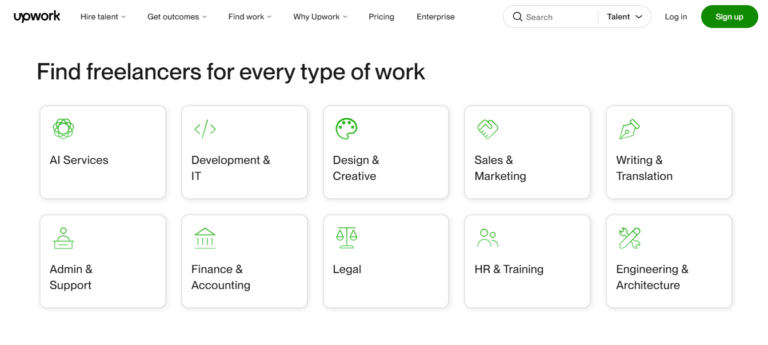
If you’re choosing your first freelance skill, prioritize based on three things: genuine demand (clients are actively hiring for it), a reasonable learning curve (you can reach a hireable level in weeks to a few months, not years), and free or low-cost ways to learn it in Kenya specifically. On that basis, the strongest starting points are content writing, virtual assistance, graphic design, and no-code web development — with programming, data-related skills, and digital marketing as strong second-stage specializations once you’ve built initial momentum.
How to Evaluate Any Freelance Skill Before Committing Time to It
Before picking from the list below, run any skill through these questions:
- Is there a visible, ongoing stream of job postings for it on Upwork or Fiverr right now, not just an article claiming it’s “in demand”?
- Can you reach a genuinely hireable (not expert) level within a few weeks to a few months of consistent practice?
- Is there a free or low-cost way to learn it from Kenya, without needing to relocate or pay for an expensive program upfront?
- Does it lead somewhere — can you specialize further within it as you gain experience, rather than hitting an income ceiling quickly?
Beginner-Friendly Skills With Genuine Demand
These are realistic starting points — a reasonable learning curve, real ongoing demand, and free or low-cost ways to learn them from Kenya.
1. Content Writing and Copywriting
Blog posts, SEO articles, website copy, and email sequences remain consistently in demand across Upwork and Fiverr. Global rates for general blog content commonly run around $0.10–$0.50 per word, with specialized niches (finance, health, technical/B2B) paying considerably more once you’ve built a track record.
How to learn it: practice writing consistently in a chosen niche, study how top-performing articles in that niche are structured, and build 3–4 strong sample pieces before applying anywhere. No paid course is required to start.
2. Virtual Assistance and Admin Support
Inbox management, scheduling, data entry, and research remain one of the lowest-barrier entry points into freelancing, since clients prioritize reliability and communication over formal qualifications.
How to learn it: free resources on task management tools (Google Workspace, Trello, Asana) and general admin workflows are widely available on YouTube; the core “skill” here is organization and communication more than technical training.
3. Graphic Design
Logos, social media graphics, and presentation design have consistent demand, particularly from small businesses that don’t have in-house design capacity.
How to learn it: Canva is a genuinely usable starting tool for beginners, with free tutorials widely available; those wanting to progress toward more advanced client work typically move to Adobe Illustrator or Photoshop, which have free trial periods and extensive free tutorial content on YouTube.
4. No-Code Web Development
Building websites and simple web apps using tools like WordPress, Webflow, or Wix, without needing to learn a full programming language first.
How to learn it: most of these platforms have free, official tutorial content, and WordPress specifically has an enormous free tutorial ecosystem given how widely it’s used.
Skills That Take Longer to Learn, But Pay Considerably More Once Established
5. Web and Software Development
Full programming skills (JavaScript, Python, PHP) remain among the highest-demand and highest-paying freelance categories globally, and Kenya has a genuinely strong local training ecosystem for this specific skill (detailed below).
Realistic timeline: several months of consistent study to reach a genuinely hireable junior level; considerably longer to reach senior rates.
6. Digital Marketing and SEO
Social media management, paid ad campaigns, and SEO strategy are consistently requested skills, especially by small and mid-sized businesses that can’t justify hiring a full in-house marketing team.
How to learn it: Google and Meta both offer free official certifications in digital marketing and advertising fundamentals, which double as a credible credential to list on a freelance profile.
7. Data Analysis and Data Annotation
Ranges from entry-level AI data annotation work (covered in more detail in guides to platforms like Remotasks and Appen) up to genuine data analysis using tools like Excel, SQL, or Python — a much wider pay range, but a clear path to progress along.
8. Bookkeeping and Virtual Accounting
Small businesses abroad frequently outsource bookkeeping to remote virtual accountants using tools like QuickBooks or Xero — a strong option specifically for those with an accounting or finance background already.
Read also: Best Freelance Websites for Kenyans
Where Kenyans Can Actually Learn These Skills
This is the part most “best skills” articles skip — knowing a skill is in demand doesn’t help if you don’t know where to actually learn it without spending money you don’t have.
| Resource | What It Offers | Cost |
|---|---|---|
| Ajira Digital (ajiradigital.go.ke) | Government-run free training in data entry, transcription, graphic design, and digital marketing basics, plus free computer/internet access at physical centres | Free |
| ALX Africa | Full 12-month software engineering and data analytics program, sponsored for many learners | Free to low-cost, depending on sponsorship |
| Power Learn Project (PLP Africa) | Free coding courses (Python, Flutter, databases) under its 1MillionDevs4Africa initiative | Free |
| freeCodeCamp / The Odin Project | Full self-paced web development curricula (HTML, CSS, JavaScript, React, Node.js, Python) | Free |
| Google Africa Developer Scholarship / Google Digital Skills for Africa | Official free certifications in digital marketing, web development, and related skills | Free |
| Moringa School, Zindua School, and similar bootcamps | Structured, cohort-based coding and data bootcamps with career support | Paid (commonly cited in the range of KES 150,000–250,000, though flexible/income-share payment plans exist at some institutions) |
| Coursera (accessible via Ajira Digital partnerships) | Structured courses across writing, marketing, data, and development | Free to low-cost depending on the specific partnership |
A genuinely useful low-cost starting path, based on what several Kenya-focused guides recommend: try a free resource (freeCodeCamp, a YouTube series, or Ajira Digital’s own modules) for a week or two before spending anything, to confirm you actually enjoy the day-to-day work of the skill before committing more time or any money to a paid program.
Realistic Income Expectations by Skill Category
| Skill Category | Realistic Beginner Range (Kenya-based, part-time) | Note |
|---|---|---|
| Content writing / copywriting | Modest per-word or per-article rates initially, rising with niche specialization and reviews | Niche expertise (finance, health, technical) earns considerably more than general blog content |
| Virtual assistance | Lower hourly rates initially, rising with specialization (executive support, bookkeeping-adjacent tasks) | One of the fastest paths to a first paid contract due to low barrier to entry |
| Graphic design | Wide range depending on project complexity and turnaround | Package/project pricing (logo packages, social media bundles) often outperforms hourly billing |
| Web/software development | Lower junior rates initially; meaningfully higher once a portfolio of real projects exists | Highest long-term ceiling of the beginner-friendly categories, but the longest learning curve |
| Digital marketing/SEO | Varies enormously by whether you’re managing ad spend or organic strategy only | Certifications (Google, Meta) help credibility while a track record is still being built |
Treat every number here as a starting range, not a ceiling — the biggest driver of income growth in every category is a track record of completed, well-reviewed work, not the skill category alone.
Common Mistakes When Choosing a Skill
- Chasing the highest quoted global rate (AI engineering, cybersecurity) without weighing the genuinely long learning curve against a beginner-friendly skill you could be earning from within weeks.
- Trying to learn too many skills at once, rather than reaching a genuinely hireable level in one before branching out.
- Assuming a paid bootcamp is required to start, when several genuinely strong free resources (Ajira Digital, ALX, freeCodeCamp, Google’s free certifications) exist specifically for Kenyan learners.
- Picking a skill based purely on interest, without checking real job posting volume for it on Upwork or Fiverr first.
- Underestimating admin/soft skills like communication and reliability, which matter as much as the technical skill itself in whether a client rehires you.
Frequently Asked Questions
What’s the single best freelance skill for a total beginner in Kenya? There’s no universal answer, but content writing, virtual assistance, and graphic design consistently offer the best combination of low barrier to entry, genuine ongoing demand, and free ways to learn the basics — a reasonable starting point for most beginners before specializing further.
Do I need a certificate to freelance in a skill like digital marketing or web development? Not strictly, though free official certifications (Google’s digital marketing certifications, for instance) can meaningfully strengthen a beginner profile that doesn’t yet have paid client work to show.
Is coding still worth learning given how competitive it looks? Yes, though it has a genuinely longer learning curve than skills like writing or virtual assistance. Kenya has a strong free and low-cost training ecosystem for it specifically (Ajira Digital, ALX Africa, Power Learn Project, freeCodeCamp), which lowers the financial barrier considerably even if the time investment remains real.
How long does it realistically take to become hireable in a new skill? It varies enormously by skill and effort — writing, virtual assistance, and design can reach a hireable beginner level within weeks of focused practice, while programming and data-related skills typically take several months of consistent study to reach a genuinely hireable junior level.
Should I specialize in one skill or offer several? Specialize first. A tightly defined, specific skill (e.g., “SEO content writing for fintech companies” rather than “general writing”) consistently performs better in client searches and proposals than a broad, generalist offering — you can expand once you have a track record.
Are the high hourly rates quoted for skills like AI engineering realistic for a Kenyan beginner? Not immediately. Those figures typically describe senior specialists, often based in higher-cost countries, with years of established experience. The skill itself is still worth learning for its long-term ceiling, but expect to start well below those figures and grow into higher rates over time.
Conclusion
The “best” freelance skill isn’t a fixed list — it’s whichever skill combines genuine, checkable demand with a learning curve you can realistically commit to, ideally using Kenya’s own free or low-cost training resources rather than assuming a paid program is required.
Start with a beginner-friendly, high-demand skill like writing, virtual assistance, or design if you need income sooner, or commit to a longer-curve skill like web development if you’re willing to invest several months upfront for a higher long-term ceiling.
Either way, specialize narrowly, use the free resources genuinely available to you, and let a track record of completed work — not the skill category alone — drive your income growth from there.
Read also:
- Best Freelance Websites for Kenyans
- Freelancing in Kenya: How to Become a Freelancer and Start Earning
- Online Jobs in Kenya Without Investment: What You Can Genuinely Start for Free
- Legit Online Jobs in Kenya: How to Tell Real Work From a Scam